Planning SAP Integration for Smart Tool Cabinets in Automotive Plants
A smart cabinet can record a withdrawal while the ERP system still shows the old quantity. If the two records do not reconcile, production, purchasing and finance may work from different versions of stock. For an automotive plant planning SAP integration, the important question is what happens to every material movement from authorization through confirmed posting.
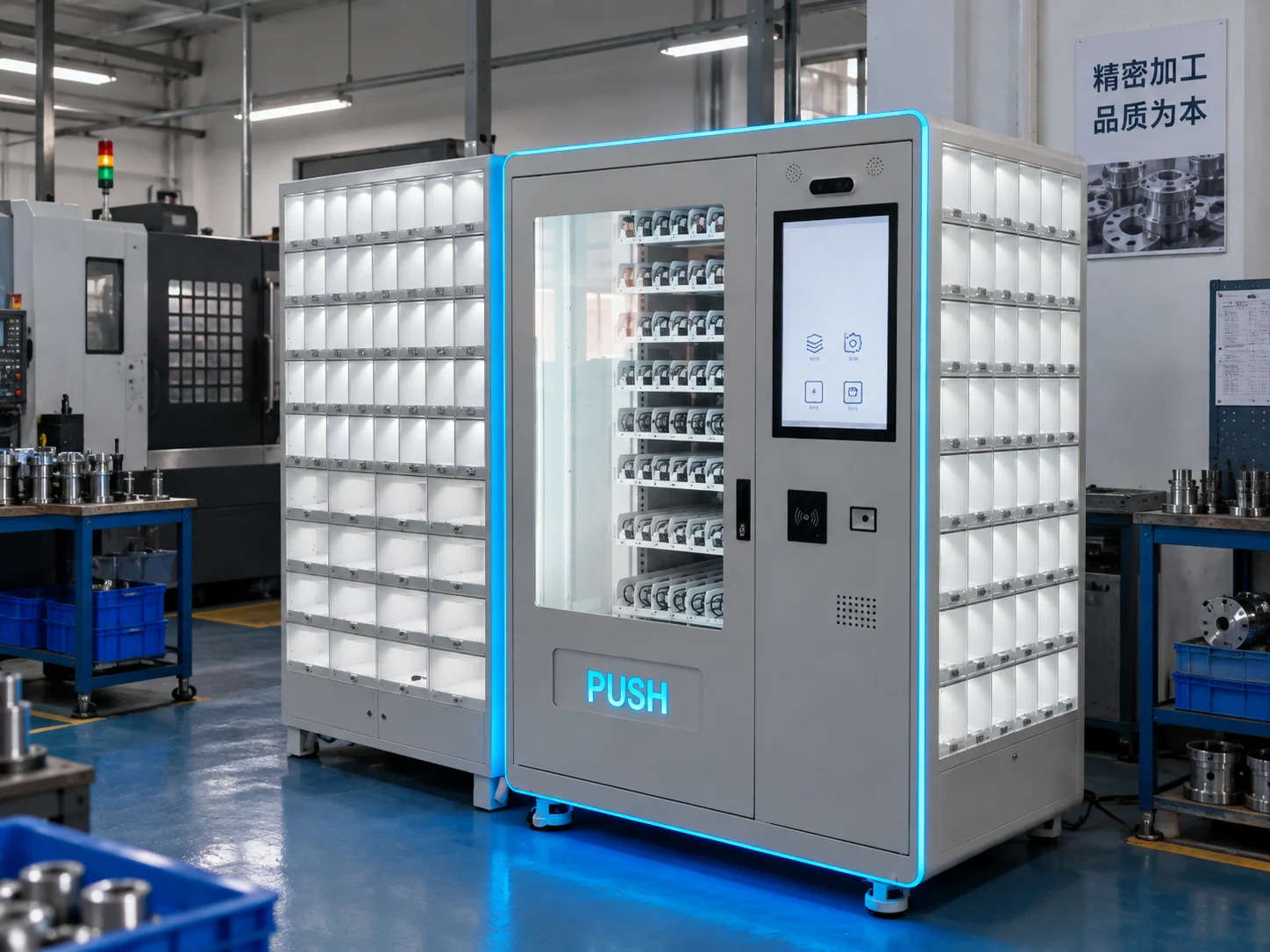
Define the business transaction before the interface
Separate the workflows for consumables, project-related materials and replenishment. Consumables may need to be issued to a cost center. Standard parts used on a defined project may require a different account assignment. Material loaded into a cabinet from a central store is normally a stock movement to the cabinet location, rather than immediate consumption.
SAP documentation distinguishes goods issues assigned to cost centers from those assigned to networks. See the SAP goods issue guidance. Where a plant uses a Netzplan, agree which network and, where applicable, activity information must be supplied. A product selection on the cabinet screen needs an approved mapping to the correct SAP account assignment.
Keep employee identity separate from the accounting destination. The person collecting an item provides accountability, but that person's usual cost center may not be the correct destination for every material or job.
Turn a badge scan into an authorized material request
Agree how an employee card identifies the user, how permissions are maintained and which items appear after login. An RFID employee badge does not require every stored item to carry an RFID tag. Card frequency alone is also insufficient to establish compatibility; test the actual badge format and the information the reader is permitted to access.
The cabinet workflow should collect the required material, quantity and assignment fields before release. For a single-piece requirement, the test must verify the physical quantity delivered as well as the quantity written to the transaction record. Opening a compartment is not necessarily proof of how many items were removed.
Specify SAP posting and exception handling together
A requirement described as automatic MIGO posting should be translated into the required SAP goods movement and account assignment. MIGO is a user transaction; an automated interface should use a supported integration method appropriate to the customer's SAP version and system architecture. The SAP team and cabinet supplier need to agree that method, field mapping, authorization and implementation responsibility.
Define an identifiable transaction record for each material movement. If SAP rejects a posting, users need a visible exception and an owner responsible for resolving it. Retrying must not create a duplicate goods issue. A successful message transmission is not the same as a successfully posted material document.
Test a failed dispense, a successful dispense followed by a posting failure, a refill with the wrong quantity and a connection interruption. Agree the correction or reversal process for each case. These tests expose gaps that a demonstration of the normal workflow will not show.
Make inventory synchronization measurable
Define the cabinet storage location and how replenishment is recorded between locations. Agree the normal synchronization interval and the status shown when a transaction is waiting to post. Calling inventory real time is not enough without knowing the expected delay and how unsynchronized movements are displayed.
Offline issuing, if included in the agreed design, needs an explicit policy. Decide which employees and materials remain available, how transactions are retained and how the system reconciles when service returns. ERP stock cannot reflect newly completed offline movements until communication is restored.
Include local deployment and support in acceptance
For an on-premises requirement, define where the application, database and backups run, whether any function depends on external connectivity, and who installs and maintains updates. Agree access permissions and a customer-controlled process for remote support. Local hosting alone does not determine the full data-protection or security outcome.
Before acceptance, test normal issues, alternate account assignments, replenishment, reversals and fault recovery with the plant's real data. Include the production team, warehouse team and SAP or IT owner. The signed scope should identify which functions are standard, which require configuration and which require separate development.
Evaluate the cabinet and the integration scope together
Qtech presents ERP, MES and SAP connectivity within its smart cabinet offering. The exact SAP posting flow, network assignment, on-premises architecture and offline behavior should be agreed for the individual project rather than assumed from a general integration statement.
Review the industrial cabinet product range, then send your material and integration requirements to Qtech. Include employee card samples or specifications, SAP version, required posting fields, storage locations and example issue and refill transactions. This creates a concrete basis for technical evaluation.