2026 Industrial Vending Machine Trends: How Smart Cabinets Help Factories Control MRO Supplies
In 2026, more factories are paying attention to small but frequently used materials. Items such as PPE, fasteners, spare parts, grinding wheels, gloves, masks, batteries and other MRO supplies may not look expensive individually, but they can create serious hidden costs when they are not controlled properly.
Many workshops still rely on open shelves, manual records or Excel files to manage these materials. The result is often the same: unclear usage records, repeated purchasing, emergency stockouts and unnecessary waste.
Why MRO Supplies Are Becoming Harder to Manage
As factories move toward lean production and smart manufacturing, material visibility becomes more important. Production teams need quick access to daily-use items, but managers also need to know who took them, how many were used and when stock needs to be replenished.
Common problems include:
- PPE and safety supplies are taken without quantity limits
- Fasteners and small parts are difficult to count manually
- Spare parts are stored in different locations without clear records
- Consumables are overused because there is no access control
- Stockouts delay maintenance or production work
What Factories Need from a Better Inventory System
A practical MRO inventory system should not only store materials. It should also help factories control access, record usage and support replenishment decisions.
Important functions include:
- Employee access control
- Real-time inventory tracking
- Low-stock alerts
- Pickup and return records
- Department usage reports
- Remote management
- ERP, MES or SAP integration
How Smart Cabinets Help
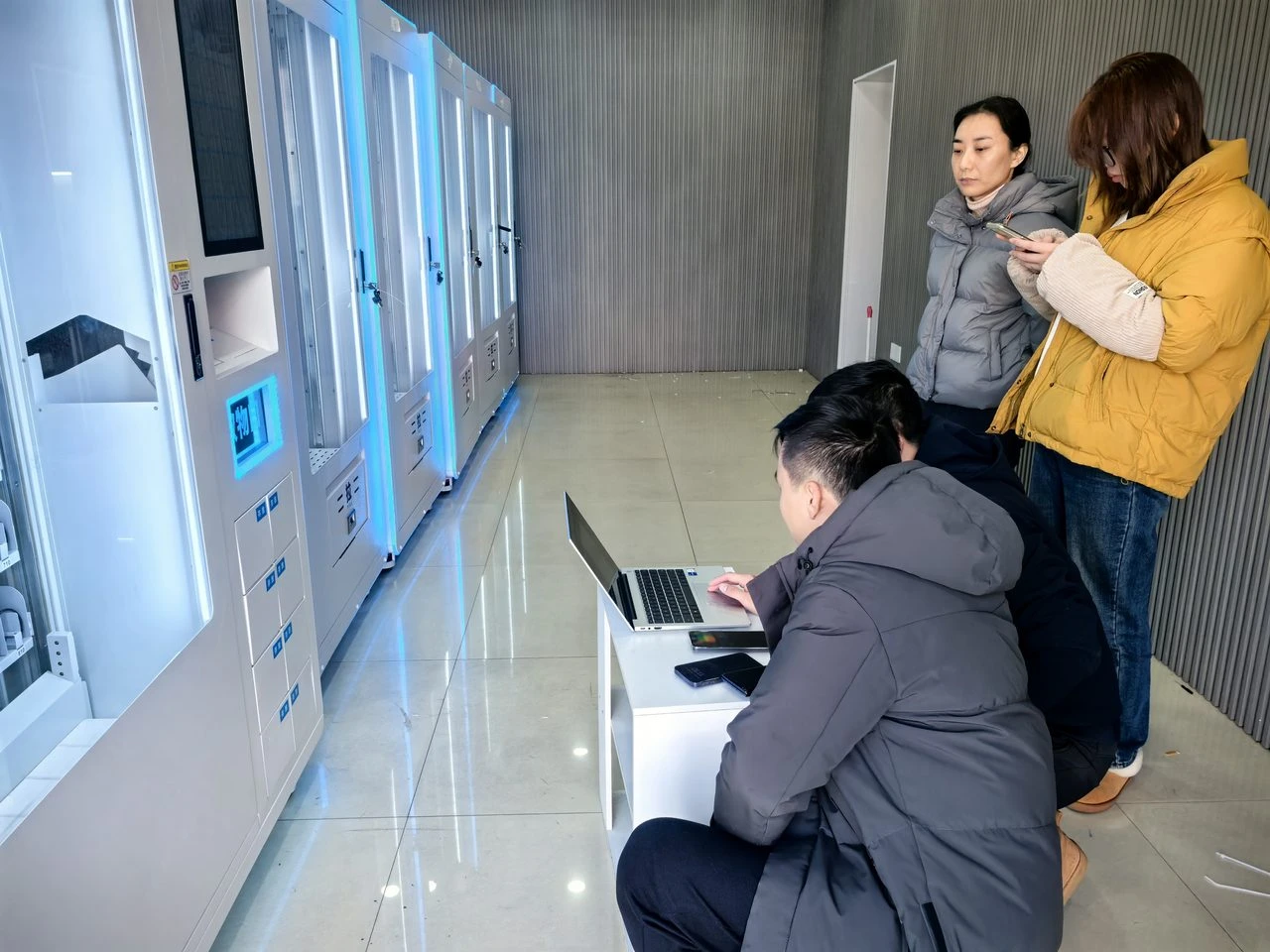
Industrial vending machines and smart material cabinets place commonly used materials closer to the production line while keeping every transaction traceable. Employees can pick up authorized items by card, PIN code, QR code or face recognition. Managers can check inventory levels and usage reports through the system.
This helps factories reduce waste, avoid emergency purchasing and improve material accountability.
Which Materials Can Be Managed?
Smart cabinets can manage many types of factory supplies, including PPE, gloves, masks, safety glasses, screws, nuts, bolts, washers, grinding wheels, cutting discs, sensors, switches, tools, spare parts and other MRO consumables.
Conclusion
Industrial vending machines are becoming more than storage equipment. They are becoming part of the smart factory inventory system. For manufacturers that want to reduce waste, improve material visibility and avoid production delays, smart cabinets are a practical step toward better inventory control.
Frequently Asked Questions
Q1: What is an industrial vending machine?
An industrial vending machine is a smart cabinet used to store, issue and track factory materials such as PPE, tools, spare parts and MRO consumables.
Q2: What materials can be managed by smart cabinets?
They can manage PPE, fasteners, spare parts, tools, abrasives, office supplies, documents and other industrial consumables.
Q3: Can smart cabinets reduce material waste?
Yes. By recording every pickup and setting user permissions, factories can reduce untracked usage and abnormal consumption.
Q4: Can the system send low-stock alerts?
Yes. The software can remind managers when inventory reaches the minimum stock level.
Q5: Can smart cabinets connect with ERP or MES systems?
Yes. Many smart cabinet systems can support ERP, MES, SAP or other factory management system integration.