A tool return cabinet for used tool exchange should distinguish collection from inspection and approval. Define what an old-for-new exchange must verify before a replacement tool is released.
Define the return categories
Separate unused approved returns, worn tools awaiting assessment, tools suitable for regrinding and scrap. Reusable holders or gauges may need their own inspection or calibration states. Agree who is authorized to change each status.
The reusable tools application describes custody and return records. Adapt those records for used cutters so the system distinguishes recovery from ordinary checkout and return.
Decide what an exchange proves
An old-for-new rule may require a recorded return before a replacement is issued, but the project must define how the returned item is identified. A door opening or an item dropped into a collection bin does not prove that the expected cutter was returned.
Specify acceptable identification, quantity and exception handling. Confirm whether exchange conditions are supported by the selected software and cabinet or require custom development. Provide an authorized route for broken, missing or otherwise exceptional tools.
Keep returned material separate
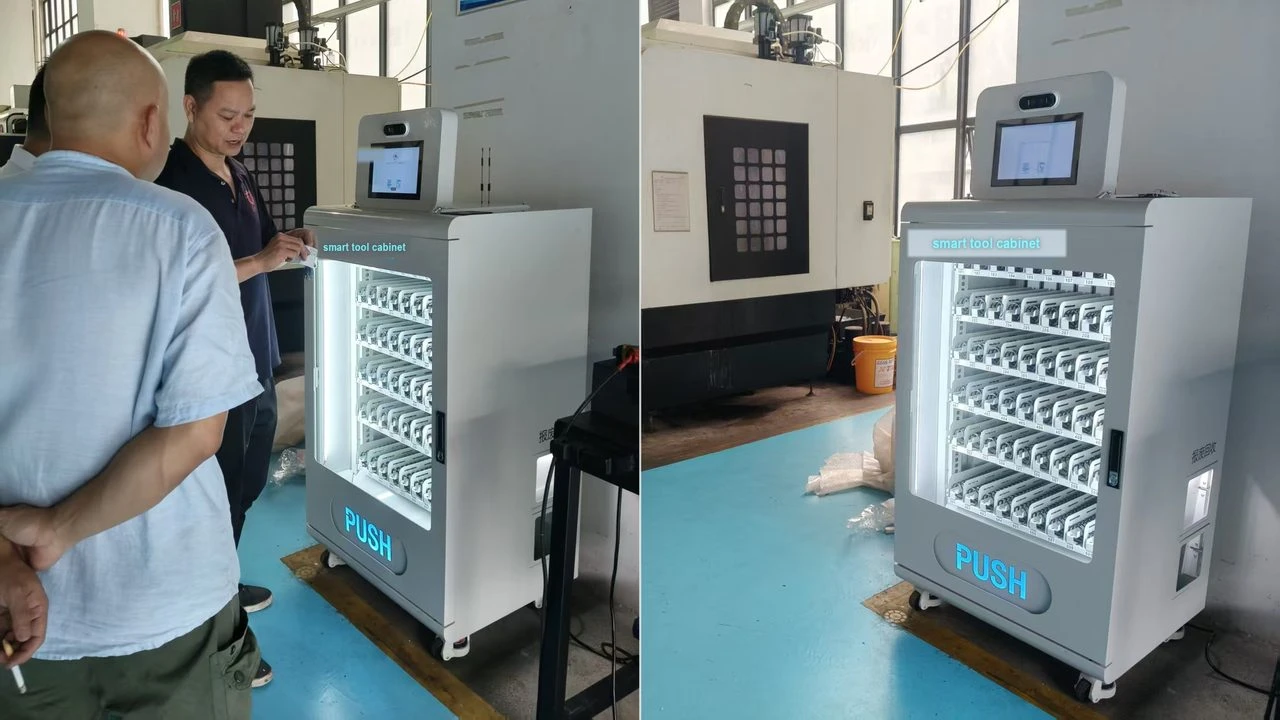
Choose storage that prevents unassessed tools from mixing with ready-to-use stock. A smart drawer cabinet can provide assigned positions for suitable reusable items, while a modular cabinet system can combine different storage formats when the workflow requires them.
Test the actual return packaging and operator handover. Include labels and physical segregation where needed. Optional RFID can assist identification for suitable tagged assets, but it does not inspect wear or determine machining suitability.
Track the next action
Record the return time, item, borrower where applicable, condition decision and destination. A regrinding collection needs a handover and a later receipt process, not merely a returned flag. Keep the material unavailable until the required approval is complete.
The CNC inventory guide explains how these states fit the wider stock balance. Avoid counting every returned cutter as an increase in available replacement stock.
Measure the workflow honestly
Review overdue assessments, unrecorded handovers and the time taken to move items through recovery. Issue and return timestamps do not measure actual cutting life. That analysis needs appropriate production data and a defined method of matching it to the tool.
Send WSToolCabinet your exchange and return rules, including exceptions and regrinding steps. Use representative test cases to confirm what the selected configuration can verify before implementation.