CNC Tool Inventory Management Guide: How Machine Shops Reduce Tool Loss and Downtime
CNC machine shops use many cutting tools every day, including carbide inserts, end mills, drills, taps, reamers, boring tools and tool holders. These tools are essential for production, but they are also difficult to manage when many operators, machines and shifts are involved.
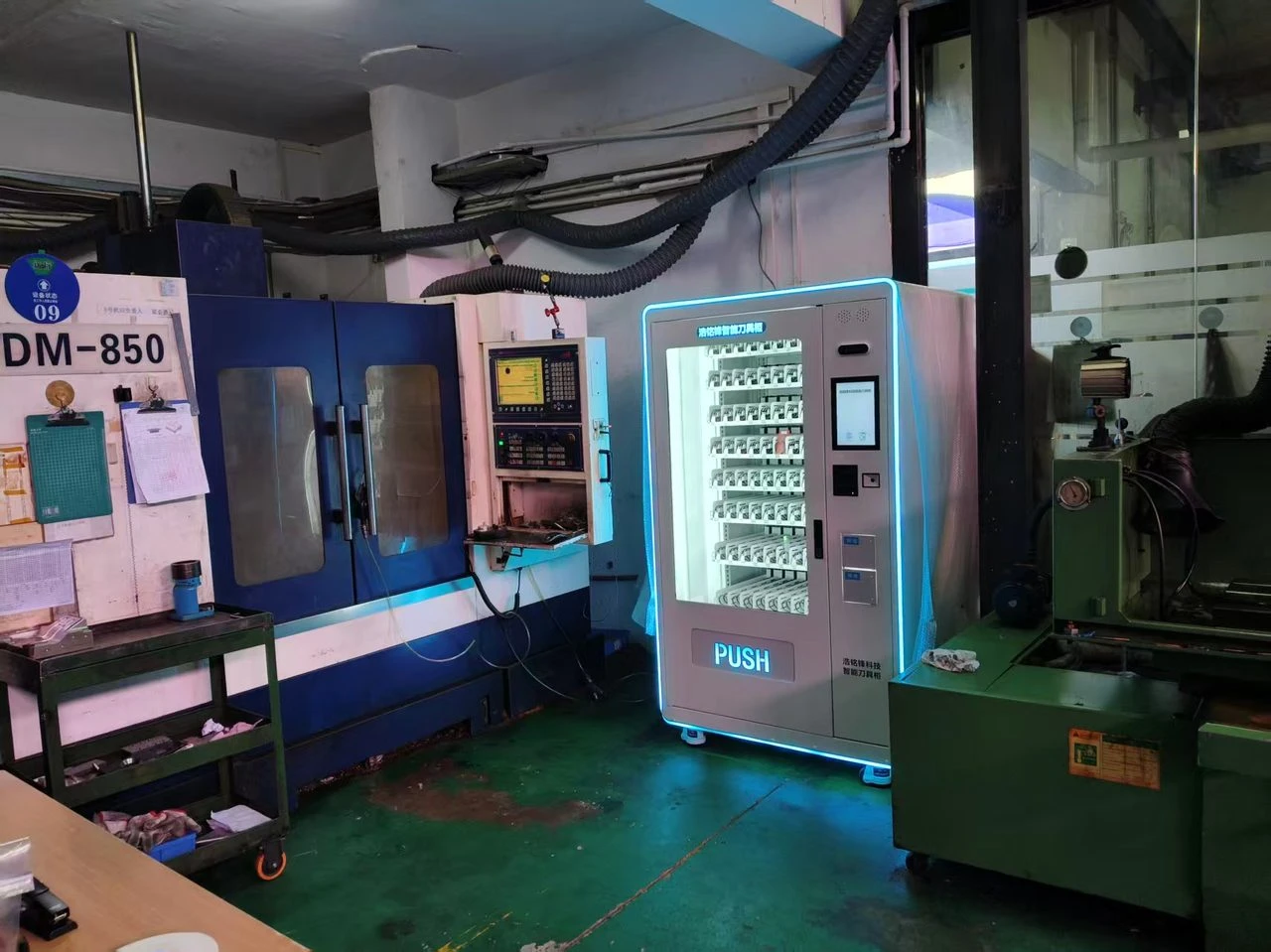
For many factories, the main problem is not simply the lack of tools. The real problem is unclear tool usage, manual records and poor inventory visibility.
Common CNC Tool Management Problems
Machine shops often face these issues:
- Operators cannot find the right cutting tool quickly
- Inserts, end mills and drills are taken without clear records
- Tool crib staff spend too much time issuing tools manually
- Stockouts stop machines during production
- Used tools are not returned or inspected properly
- Tool usage cannot be tracked by employee, machine or department
- Purchasing teams do not know the real consumption data
Why Tool Loss Becomes a Hidden Cost
A single insert or drill may not seem expensive. But when hundreds or thousands of tools are used every month, small losses quickly become a large cost. Without data, managers cannot know whether tool consumption is normal, which department uses the most tools, or which items need better control.
Unclear tool management can also cause machine downtime. If an operator cannot find the right tap, end mill or insert during production, the machine may wait while someone searches or buys replacements.
What a Good CNC Tool Management System Should Do
A better system should help factories:
- Control who can take specific tools
- Record each pickup and return
- Track usage by employee, machine and department
- Set low-stock alerts for key cutting tools
- Manage old tool return or used tool collection
- Generate reports for purchasing and cost analysis
How CNC Tool Vending Machines Help
A CNC tool vending machine allows operators to pick up tools directly at the point of use while keeping every record in the system. It can manage carbide inserts, end mills, drills, taps, reamers, tool holders, gauges and other machining supplies.
For tool rooms, this reduces manual work. For managers, it provides better visibility. For production teams, it helps avoid delays caused by missing tools.
When Should a Machine Shop Consider a Smart Tool Cabinet?
A smart tool cabinet is useful when a factory has multiple CNC machines, frequent tool usage, several operators, night shifts or repeated tool loss. It is also suitable for factories that want to analyze tooling cost by department, machine or project.
Conclusion
CNC tool inventory management is not only about storing tools. It is about reducing downtime, controlling cost and making tool usage traceable. For machine shops that want to improve efficiency, smart tool cabinets and CNC tool vending machines can be a practical solution.
Frequently Asked Questions
Q1: What is CNC tool inventory management?
It is the process of controlling, recording and replenishing CNC cutting tools such as inserts, end mills, drills, taps and tool holders.
Q2: Why do CNC machine shops lose tools?
Common reasons include manual records, shared tool rooms, no user tracking and unclear return rules.
Q3: What tools can be stored in a CNC tool vending machine?
It can store carbide inserts, end mills, drills, taps, reamers, boring tools, gauges, tool holders and small MRO supplies.
Q4: Can smart tool cabinets track tool usage by employee?
Yes. The system can record who took the tool, when it was taken and which department or machine it was used for.
Q5: Can used tools be returned to the cabinet?
Yes. Some cabinet configurations can support old tool return, tool recycling or used tool collection.