A tool vending machine for distributors can support a customer-site supply arrangement. In a vendor-managed inventory (VMI) tool vending solution, the parties need to define stock ownership, refill duties and the events used for settlement.
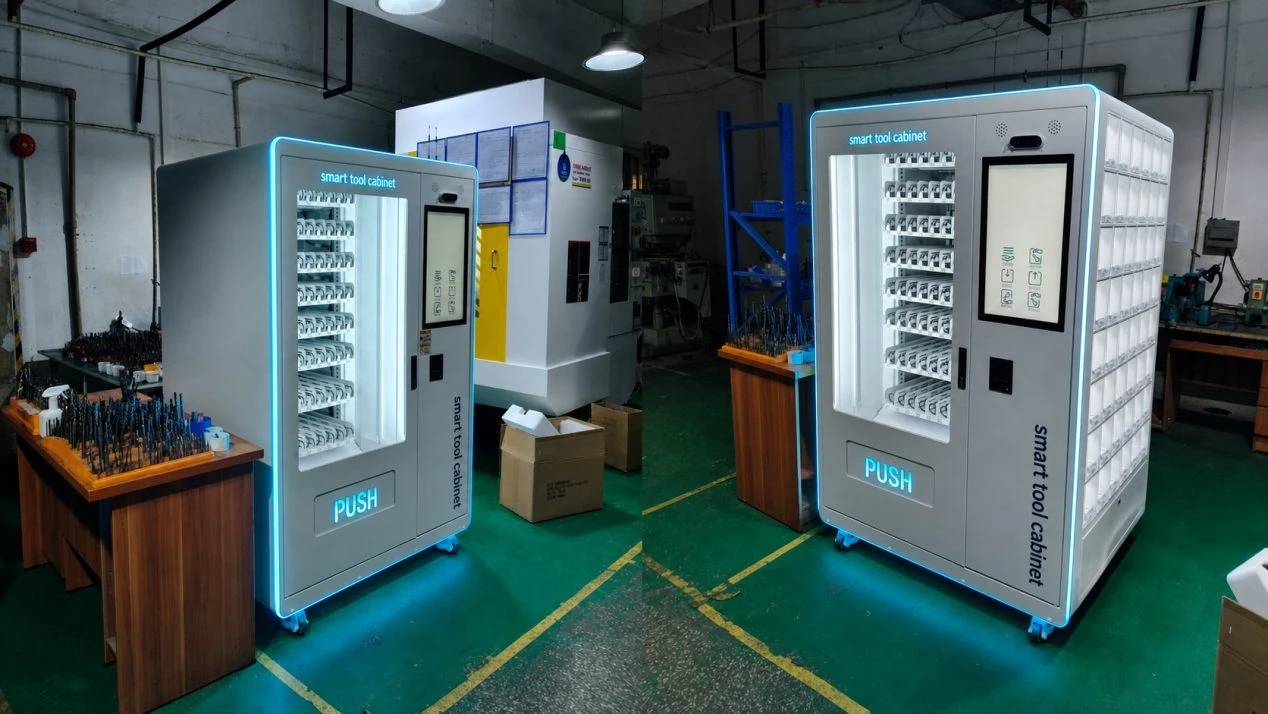
Choose the placement model
A distributor may consider selling the cabinet, renting it, sharing its cost or providing placement under an agreed supply arrangement. Compare each model using the account's expected demand, service workload and equipment costs.
These are possible commercial structures, not standard WSToolCabinet terms or guaranteed routes to higher sales. Agree the scope and responsibilities with the customer before committing stock or equipment.
Define when ownership and charges change
For consignment stock, document who owns the material while it is stored and which event creates a billable movement. A refill, an issue, an approved return and a stock adjustment should not be treated as the same event.
The CNC tool vending application can support a discussion of item and issue records. Confirm the reporting and export functions needed for the agreed settlement process rather than assuming the cabinet produces a complete invoice automatically.
Build an approved customer stock list
Identify tool specifications, pack quantities, storage positions and minimum stock. Agree how substitutes are approved and how obsolete or slow-moving materials are removed. Avoid replacing an approved cutter solely because another item fits the same compartment.
The CNC inventory guide explains the underlying issue and return process. Keep distributor-owned and customer-owned quantities distinguishable if both are managed at the same location.
Assign replenishment and service duties
Name the person who reviews alerts, prepares refills, confirms loaded quantities and investigates discrepancies. Set practical service arrangements for nights, weekends or urgent jobs. A supply agreement needs a response process as well as a reorder number.
An expansion cabinet may support growth in the approved tool range, subject to compatibility. Confirm installation, maintenance, software and access responsibilities for all equipment placed at the customer site.
Reconcile before settlement
Compare opening stock, refills, issues, returns and adjustments for the agreed period. Resolve pack-unit errors and failed issues before accepting the settlement total. Record the treatment of damaged stock, unused returns and material remaining when the agreement ends.
Use the insert reconciliation guide for common unit and movement problems. Contact WSToolCabinet with the intended placement model, tool list and required reports to assess whether the proposed workflow supports the distributor and customer agreement.