A tool crib automation solution needs a controlled transition from manual records to cabinet transactions. Establish clean item data and an opening stock balance before extending unattended tool crib access.
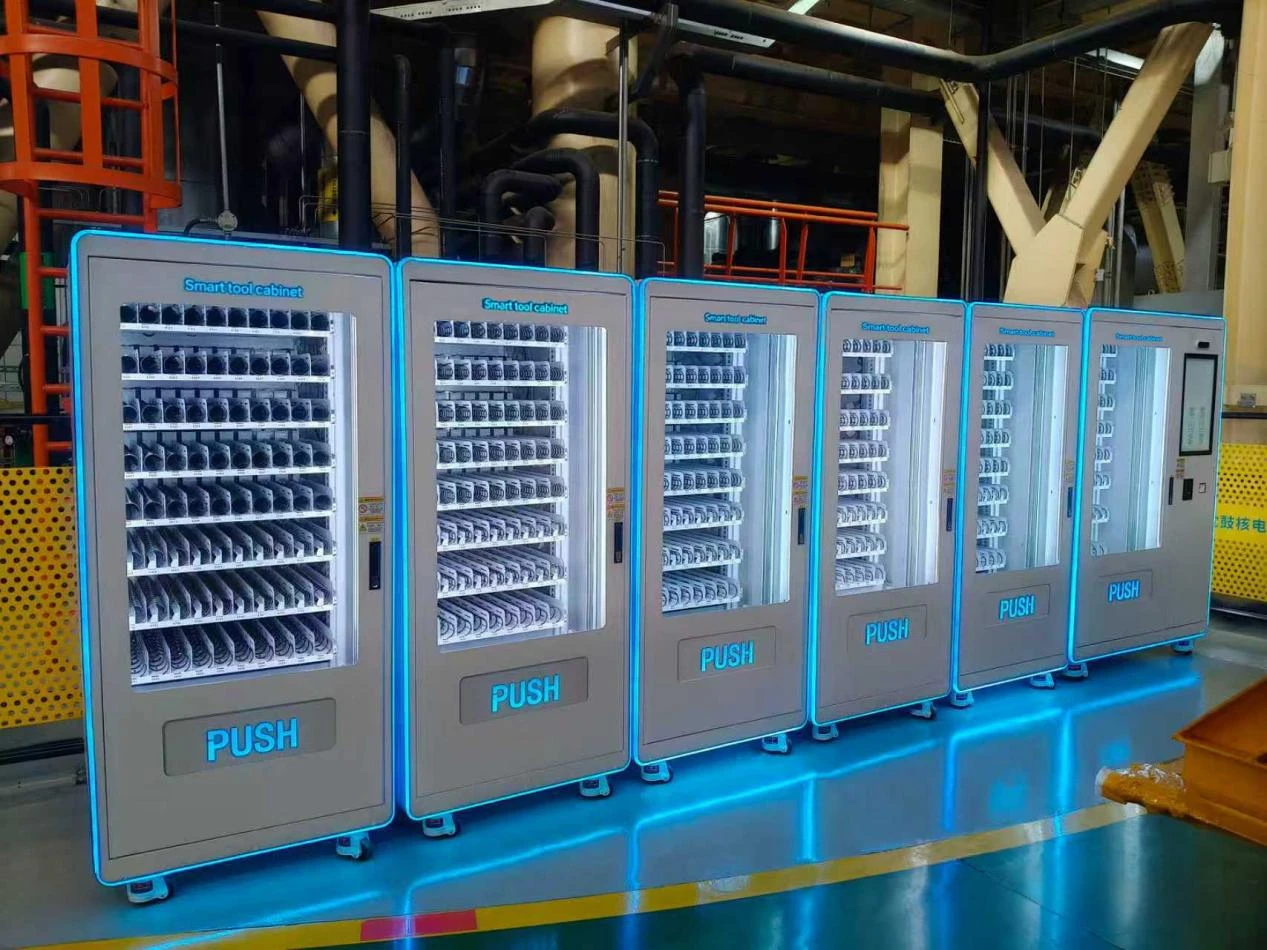
Establish the reason for the change
Identify the problem the project is intended to solve, such as access after stores close, repeated stock discrepancies or time spent issuing tools. Measure the starting position over a representative period.
If the decision is still open, use the smart versus traditional storage comparison. Once the upgrade is justified, keep the pilot focused on the agreed operating problem rather than adding every possible feature.
Prepare item and user data
Choose a manageable tool group. Remove duplicate item codes, confirm pack and issue units, identify approved specifications and assign storage positions. Define consumables separately from reusable tools and used-tool collection.
Set up users and permissions with named administrators. The CNC inventory guide provides the operating rules that should be ready before stock is loaded. Optional RFID or other identification methods need sample testing if they form part of the project.
Count and load the pilot stock
Agree a cutover time and record a physical opening count. Reconcile movements made during loading so they do not disappear between the manual and cabinet records. Verify each location and quantity with the intended item.
Assess a modular cabinet configuration if the pilot mixes consumables and returnable equipment. Test the chosen cabinet with actual packaging rather than relying on nominal capacity.
Train the full process
Train operators on collection and exceptions, stores staff on refilling and corrections, and supervisors on reviewing records. Include failed dispensing, wrong item loading, unavailable credentials and network interruption.
Keep an authorized fallback route during the transition. Record exceptional manual issues and reconcile them promptly. Avoid maintaining two uncontrolled stock ledgers that both claim to be the current balance.
Review the pilot before expansion
Compare the physical count with recorded stock and review unresolved returns, urgent replenishments and user problems. Check whether the original operating issue improved and whether the support team can handle routine exceptions.
Use the pilot acceptance checklist to organize evidence and closure conditions. Add further items or locations only when the basic workflow is stable; any required software integration should have its own agreed scope and tests.
Plan the next stage
WSToolCabinet, from Hunan Zhicheng Wistech Technology, can discuss a cabinet arrangement based on the workshop's materials and workflow. Share your current tool crib process, pilot item list and shift requirements to prepare a phased implementation proposal.